Science Evening 2026: What Can We Learn from Children? Insights for the Future of Medicine
An Evening Dedicated to the Perspectives of Children and Young People

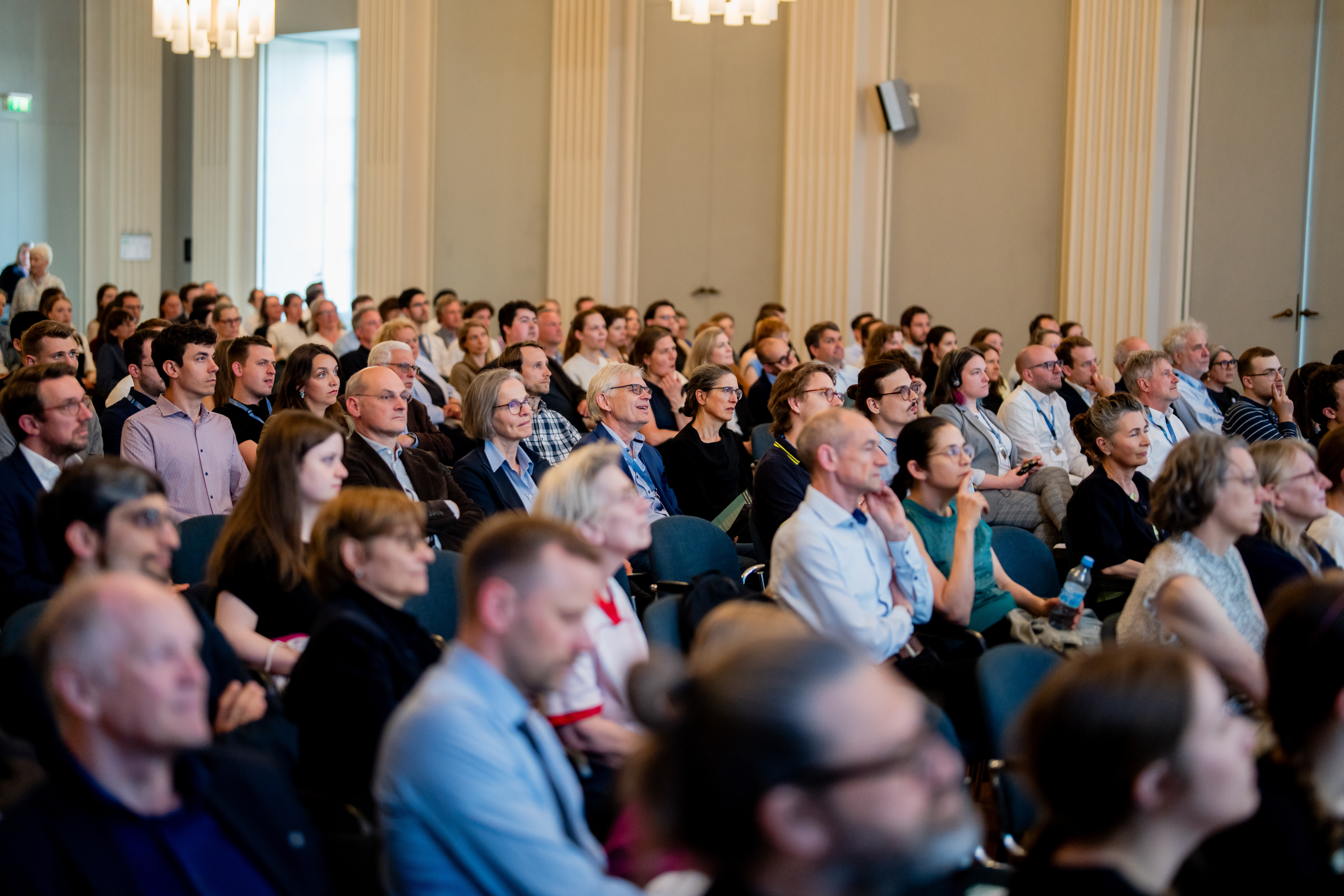
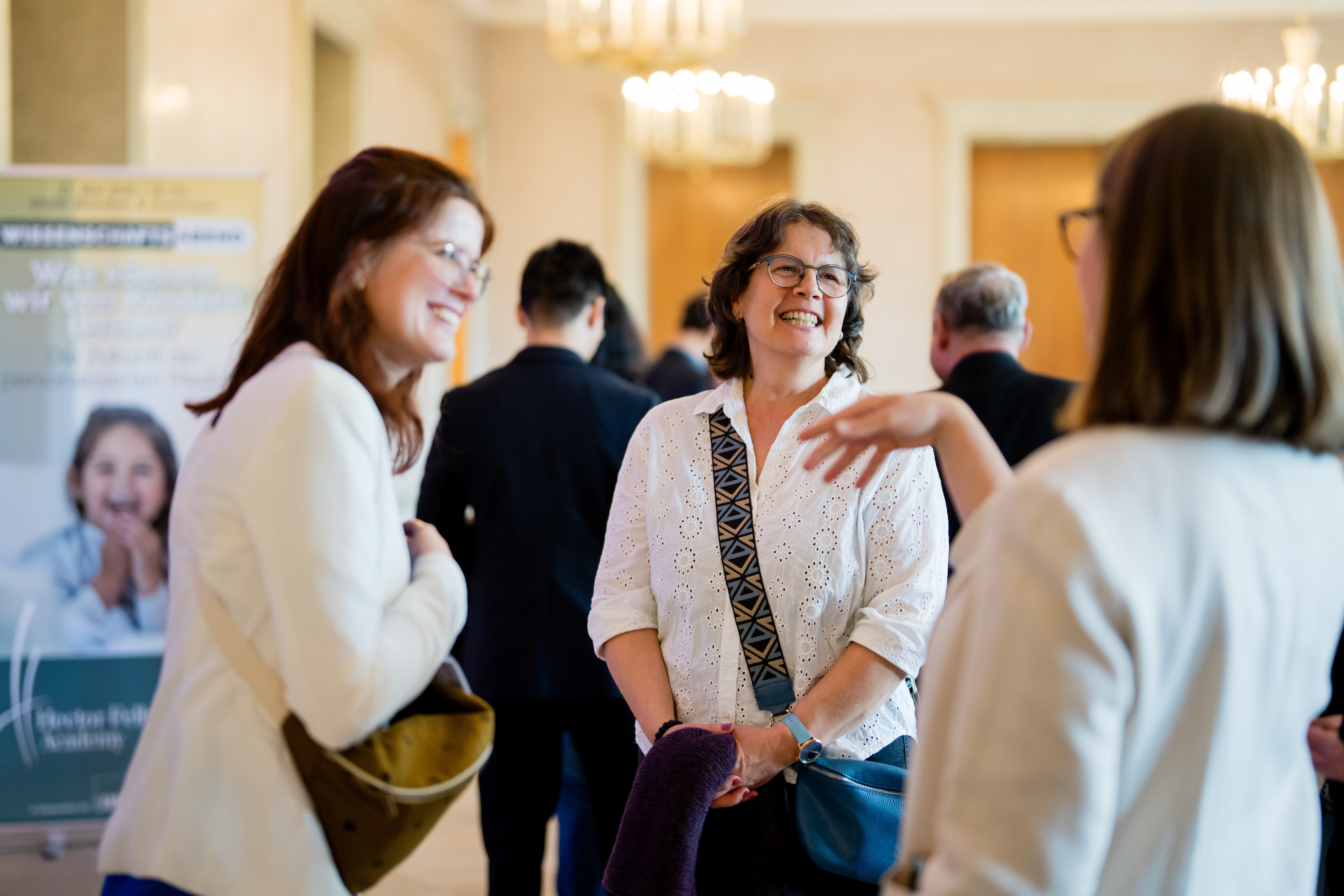
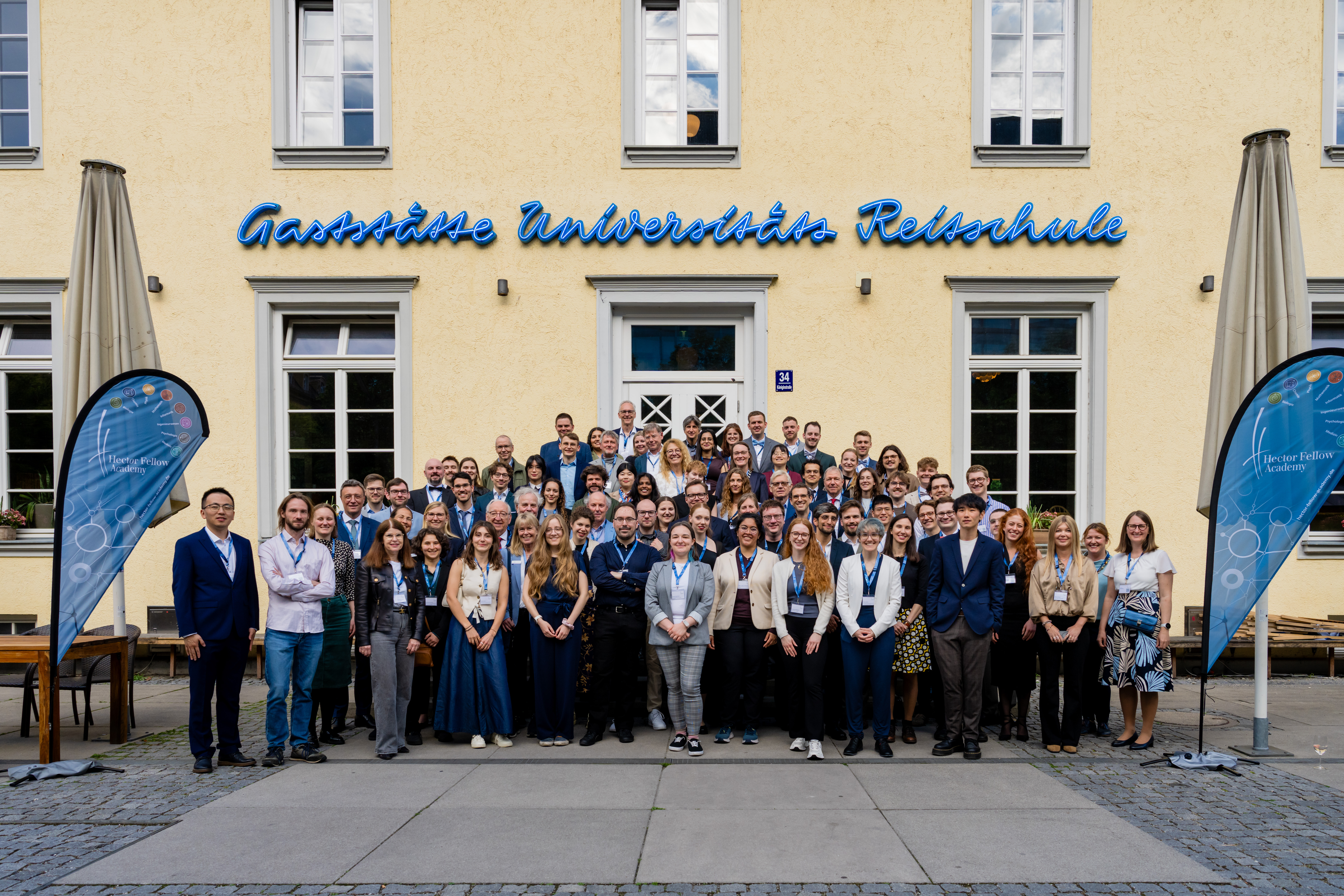
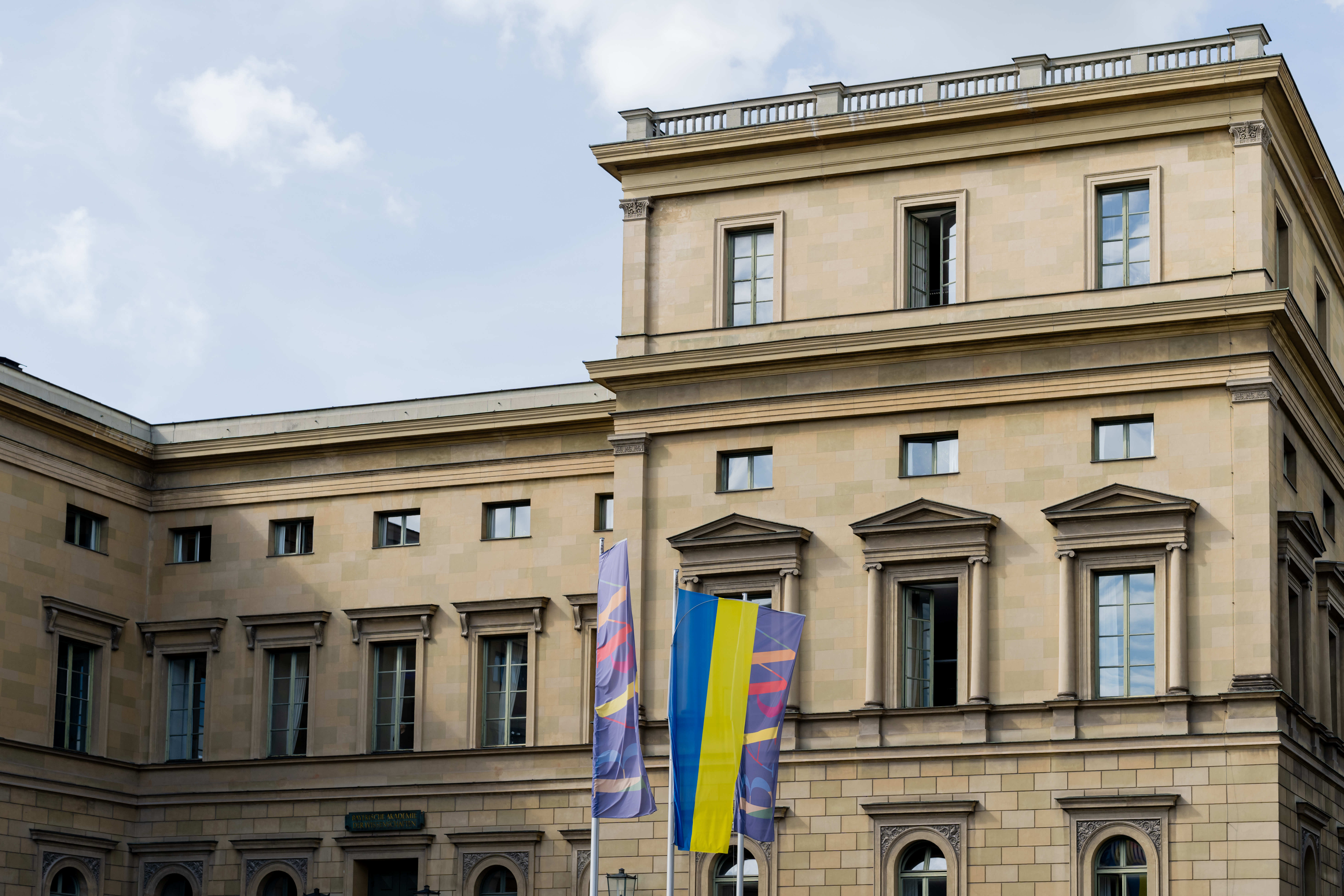
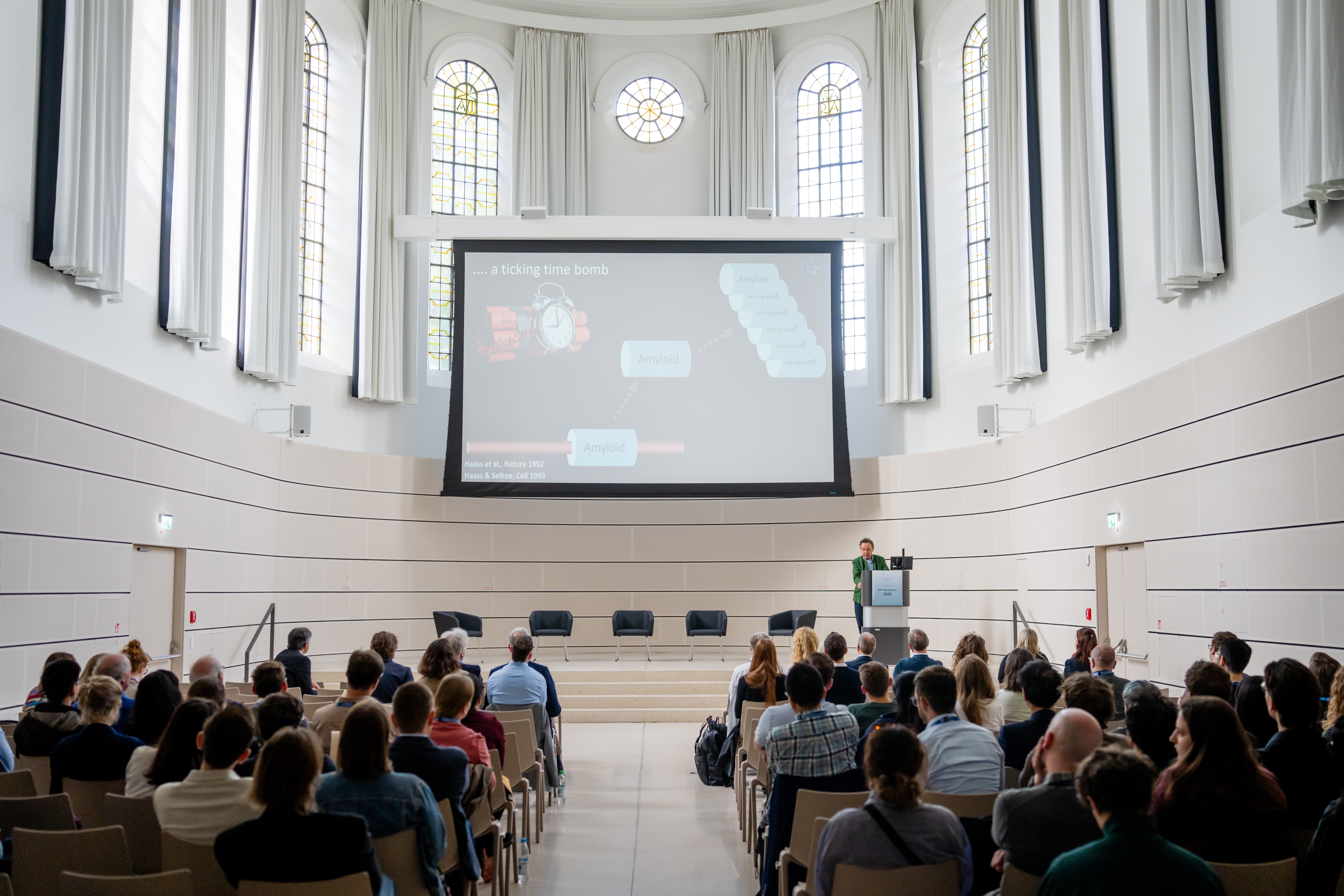
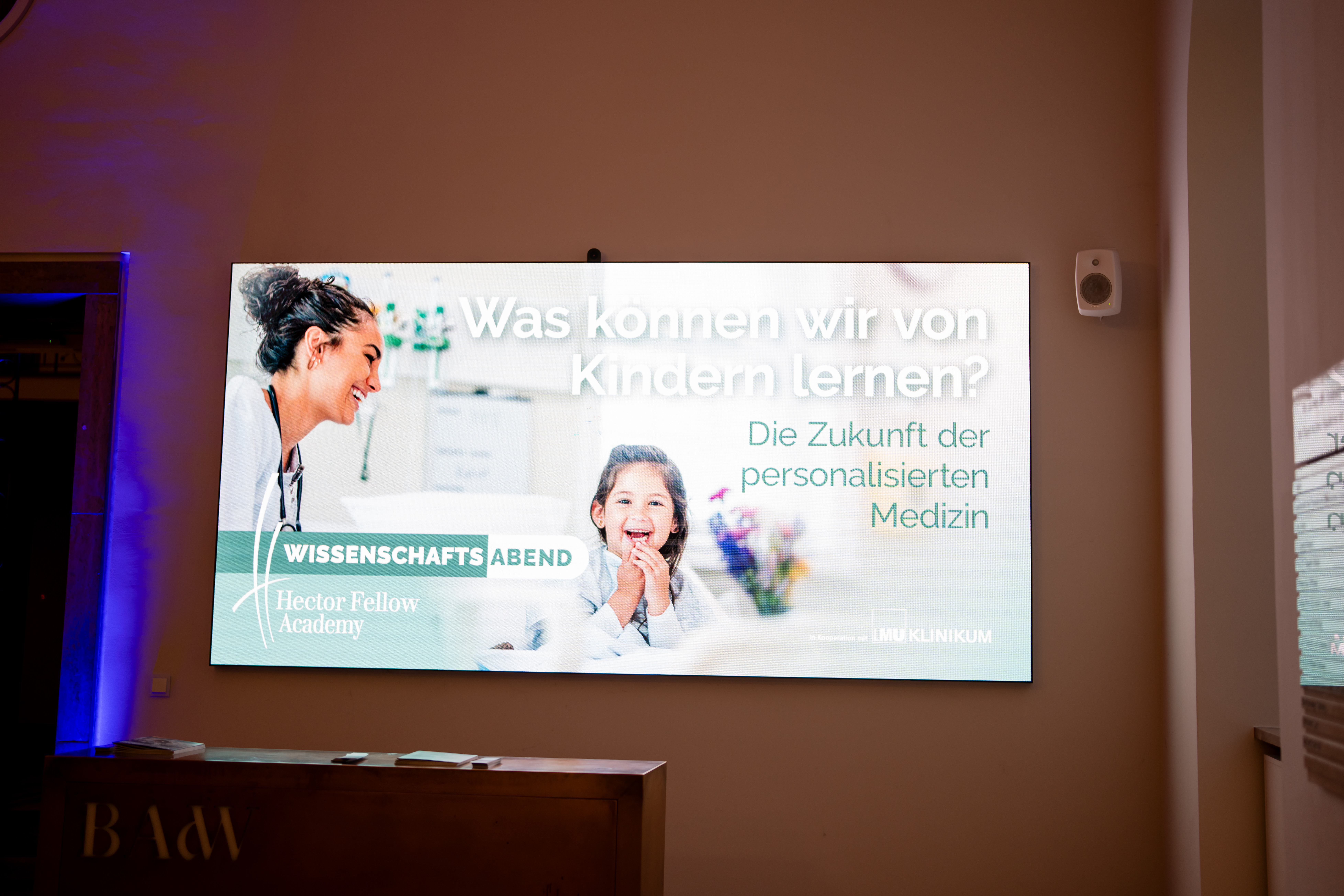
On 21 May 2026, the Hector Fellow Academy hosted its 11th Science Evening under the title “What Can We Learn from Children? The Future of Personalized Medicine” at the Bavarian Academy of Sciences and Humanities in Munich and via livestream. Organized in cooperation with LMU University Hospital, the event attracted considerable interest both on site and online. Guiding the audience through the evening was renowned German TV presenter Ralph Caspers (Die Sendung mit der Maus, Quarks), who brought his characteristic charm, ease, and sense of humor to the event.

Children are not simply “small adults.” They experience health, illness, and medical treatment in their own unique ways. A healthcare system that seeks to meet the needs of children must take these perspectives seriously, listen to their voices, and respect their rights. Against this backdrop, the evening explored how insights from pediatric and adolescent medicine can improve healthcare more broadly and what role the participation of children and young people can play in shaping the future of personalized medicine.

Scientific Insights: From Rare Diseases to Precision Medicine

The scientific host was Christoph Klein, Professor of Pediatrics and Adolescent Medicine and Medical Director of the Dr. von Hauner Children’s Hospital at Ludwig Maximilian University of Munich.

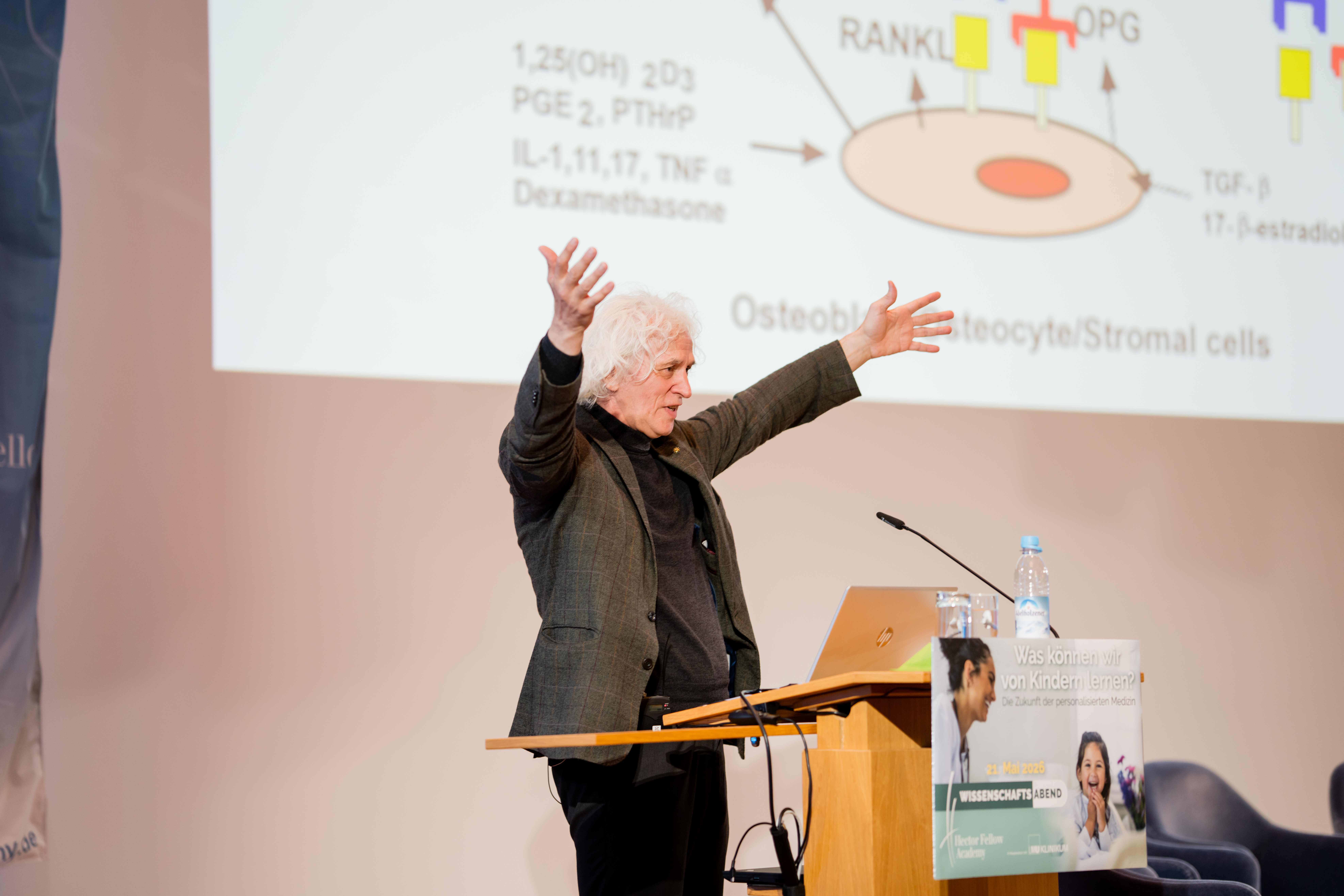
The evening opened with a lecture by Josef Penninger, Director of the Helmholtz Centre for Infection Research in Braunschweig and Professor at the Medical University of Vienna. He highlighted the close biological connection between mother and child and demonstrated how the maternal body adapts during pregnancy and breastfeeding to support both maternal health and the optimal development of the child.

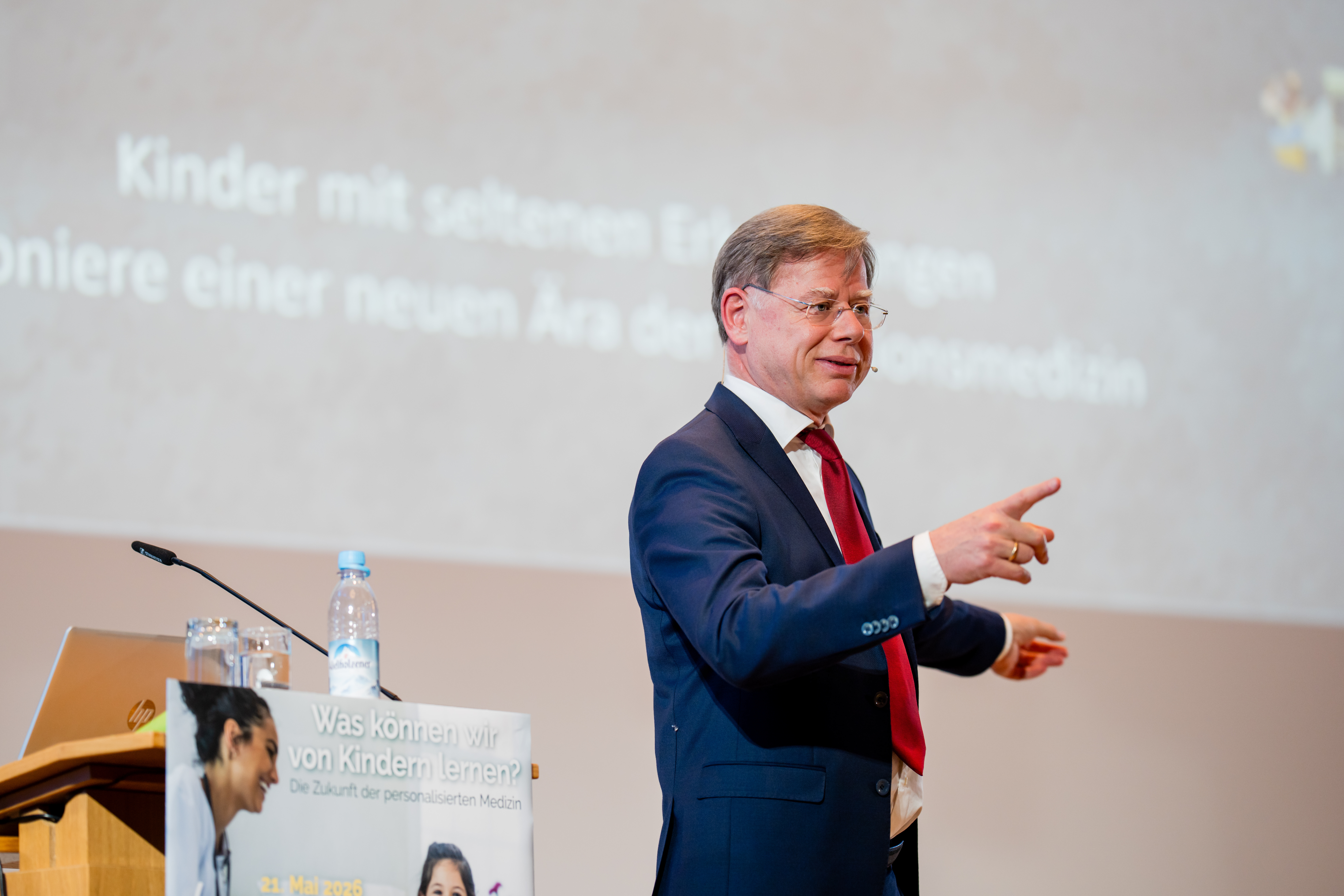
Christoph Klein then explained how insights gained from treating rare childhood diseases are advancing medicine as a whole. Children with rare diseases are increasingly evolving from the former “orphans of medicine” into pioneers of precise and individualized healthcare. Advances in genetics and innovative therapeutic approaches are not only improving treatment options for affected children but are also opening new possibilities for many other patient groups.

Children’s Rights as the Foundation of Good Medicine

Another important perspective was provided by Claudia Kittel, whose lecture focused on the rights of children and adolescents within healthcare. Referring to the UN Convention on the Rights of the Child, she emphasized that children are rights holders from the very beginning of their lives—and that their participation in decisions concerning their health is not merely desirable, but an obligation.

Her presentation underscored a central message of the evening: taking children seriously and incorporating their perspectives not only strengthens their autonomy but also improves the quality of medical decision-making and healthcare delivery.

Young Voices at the Heart of the Discussion

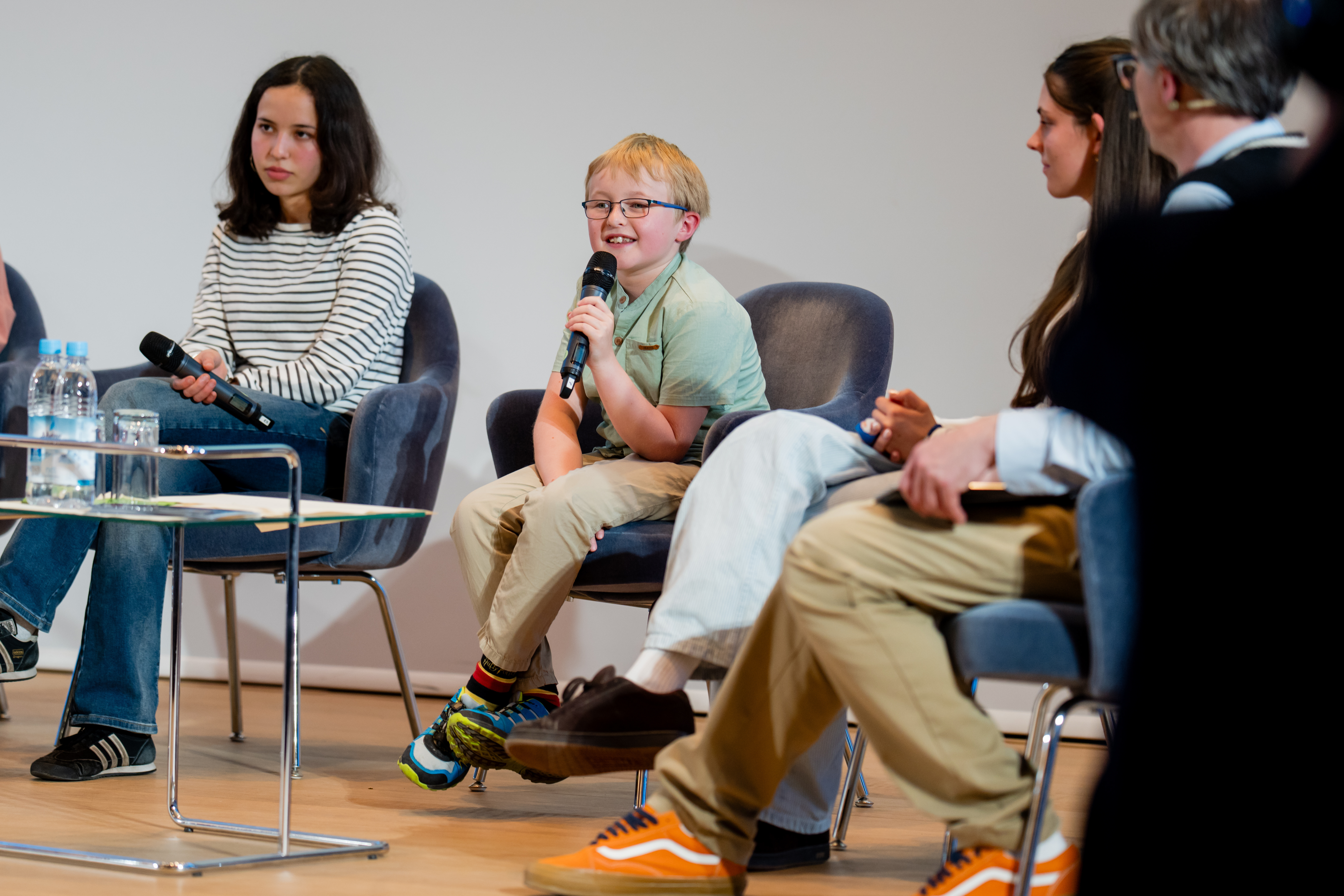
A particular highlight of the evening was the subsequent panel discussion, which brought together the speakers and three representatives of the Children and Youth Research Council (KiJuRat) of the Dr. von Hauner Children’s Hospital.

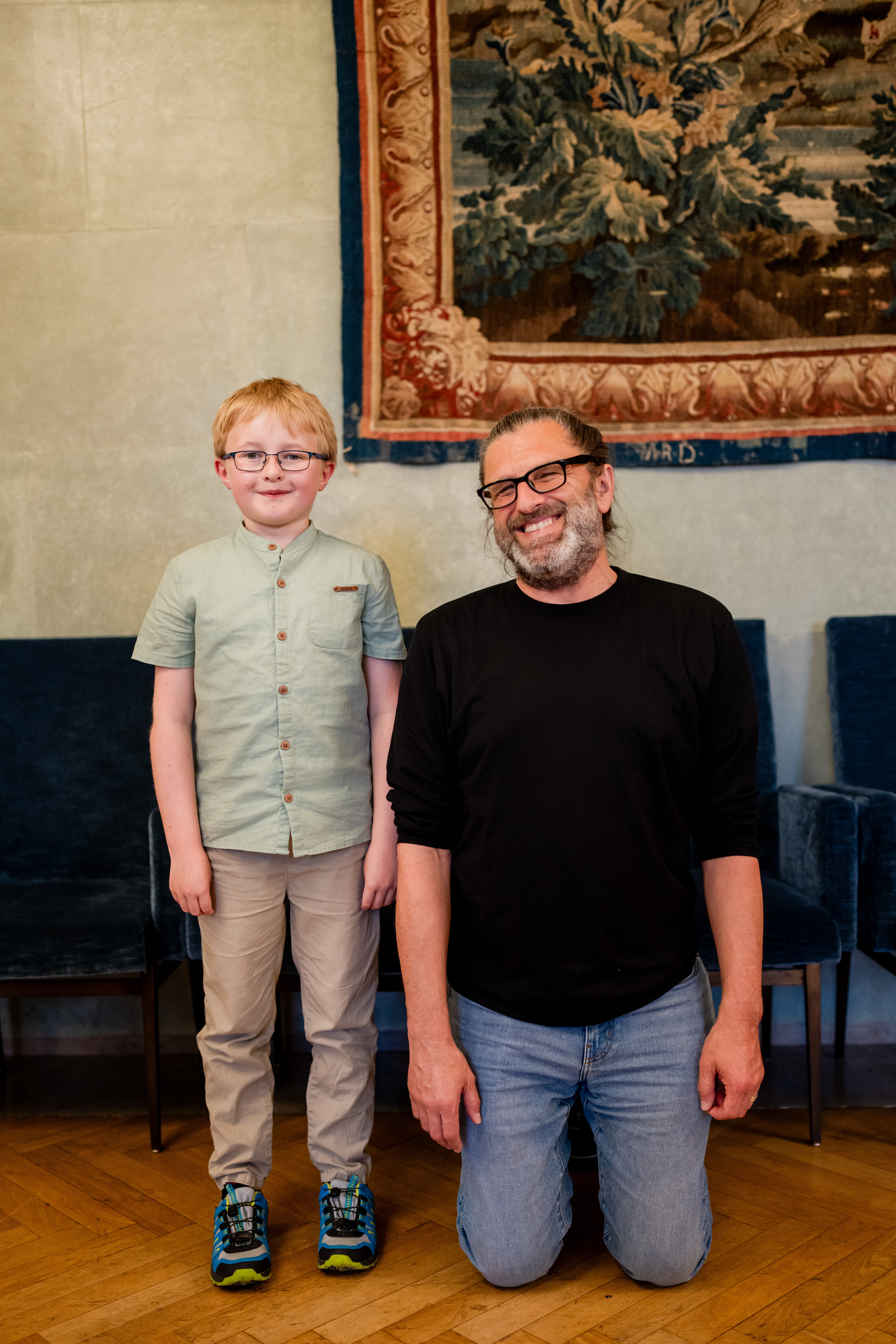
Drawing on their own experiences, questions, and perspectives, Maja (16), Jakob (10), and Hana (17) brought an important voice to the discussion—one that is still heard far too rarely in medical debates. Rather than simply talking about children and adolescents, the panel engaged directly with them. On equal footing with leading researchers and experts, the three young representatives discussed how research and healthcare can be better aligned with the needs and expectations of young people in the future.

Their contributions provided a powerful reminder of the value of involving children and adolescents in both research and medicine. They demonstrated that young people are not merely affected by medical decisions, but can actively help shape them. The exchange between the distinguished experts and the young council members reflected the central message of the evening: medicine has much to learn from children.

Recording Now Available Online

A recording of the Science Evening is available in both German and English on the Hector Fellow Academy’s YouTube channel.

YoutTube video